


The First Page May Be on Page Three
Updated: 18 hours ago
Imagine a novel that opens with a house in Pune. We learn when it was built, who planted the guava tree and which uncle paid for the extra floor. Two pages later, the family arrives for Sunday lunch. Meera puts her key into the kitchen door. It won’t turn. From inside, her mother says, “Use the front entrance, like everybody else.”
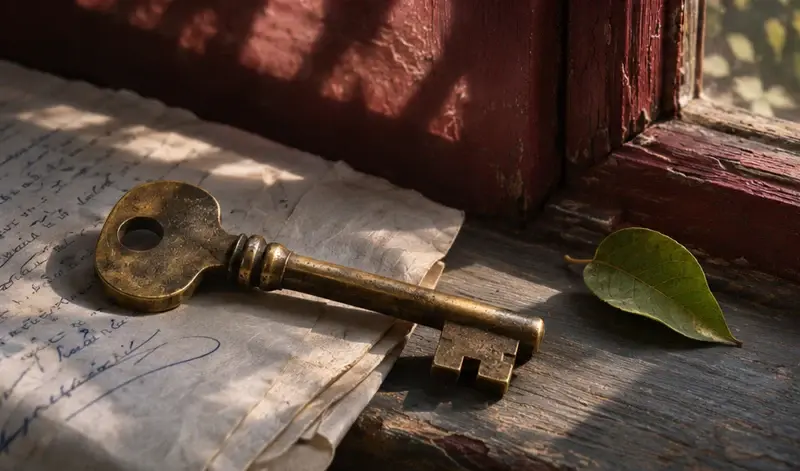
That is where I want to meet this family. What has Meera done to lose the use of that door? Has her mother been rehearsing that line all morning? I would happily read about the uncle and his extra floor once I knew he might have something to do with the lock.
Those first two pages did a job for the writer. They established who owned the house, who felt entitled to it and why a daughter would go straight to the kitchen. A reader can discover all three things in the small humiliation of a key that used to fit. The writer needed the family history earlier than the reader did.
If an opening feels slow, try this on a spare copy. Underline the first line that makes you genuinely curious about the next one. Put it at the top of a blank page. Then give that page to someone who knows nothing about the book. Ask two questions. “What would you like to find out?” and “Was there anything you needed to know to follow what happened?”
The answers call for different edits. A reader who wonders why Meera has been shut out has a reason to turn the page. A reader who thinks Meera is delivering the groceries needs a little help. One word may do it. Let her call through the door, “Aai?” You can keep the exchange intimate and make the relationship clear.
Sometimes the guava tree belongs in the opening after all. Perhaps Meera reaches through its branches to the ledge where her mother always kept a spare key. The ledge is empty. Now that tree, which once occupied half a paragraph of description, has something to do. Give it the line it has earned.


Comments